
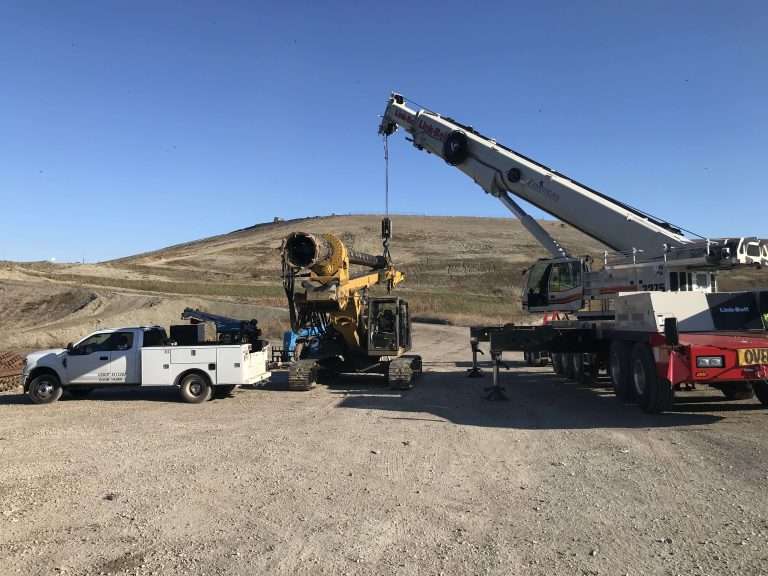
Renting construction equipment helps offset high initial acquisitions, but it doesn’t work like magic. Just like any other money decision, renting foundation equipment requires careful analysis of your options and numbers. Unexpected costs when renting construction equipment come from small assumptions that compound during the project. But by then, it’s often too late to reverse your decisions. This article demonstrates how proper rental decisions can improve downstream affordability and efficiency in your project.
1. The Rental Rate Is Not the Real Cost
The daily rate serves as an indicator of the base costs and not more. The final amount is often a summation of the daily rate and the costs that show up everywhere else.
Transport and logistics costs are the most significant among the forecasted variables, followed by permits and site access accommodations. And in the event of unforeseen weather delaying arrival, expect to pay more in labor and costs, and idle machine time.
Meanwhile, if the machine is not fit for your site’s ground conditions, production timelines drag, leading to lost margins due to downtime. That’s why choosing a foundation equipment rental company must never be approached as a simple procurement decision. It requires in-depth operational analysis.
2. Preventive Maintenance Is Mandatory
Many equipment rental companies keep their construction machinery in good condition. But it’s the contractor’s responsibility to verify that everything works as expected before the machines leave the yard.
Pile driver rentals and rigs can be technically functional and yet have minor issues that grow worse over time, including:
- Slight hydraulic fluid seepage
- Improper hammer lubrication
- Worn-out cushion stack
Without the thorough initial inspection check and continuous maintenance, foundation drilling equipment rental can be costly. Preventive maintenance scheduling is highly encouraged to prevent issues that can cause multi-day shutdowns.
3. Equipment Size and Specs Affect Price
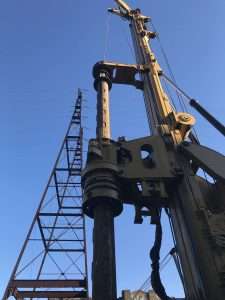
Contractors notoriously make the mistake of renting rigs based on budgets rather than site conditions. Inefficiencies such as reduced driving rates or stuck rigs can lead to unexpected costs when renting construction equipment. When that happens, expect low productivity, operational failures, and high repair costs to erode your margins.
When renting CZM foundation equipment, specs like torque, mast height, and kinematic configuration are not swappable. Choose the right machine for your exact project’s specifications, including:
- Soil consistency
- Groundwater table level
- Rock strength
- Presence of boulders
Rent drill rigs from trusted partners committed to your success. RPI helps you choose the best CZM rig for your job upfront. We have the best rigs for mixed ground, rock sockets, and deep shafts where the margin for error is close to zero.
4. Renting Might Not Always Be Cheaper
Renting helps avoid the initial capital investment and gets your projects to commence faster, but watch out that you don’t start to pay ownership-level fees. Depending on your project needs, repeated rentals can introduce:
- Scheduling uncertainties if you are operating in high demand area with fewer providers
- Steep learning curves if machines are complex to work with
- High mobilization costs for multi-site projects
Renting CZM drill rigs or pile drivers should be a financial decision, not aspirational. Assess your needs and the project’s needs honestly. Choose renting only when it eliminates maintenance responsibilities, frees up cash, and prevents obsolescence.
5. Slow Service Response Time Increases Costs
During equipment downtimes, the world doesn’t slow down. Crews, suppliers and inspectors won’t wait for your parts to arrive from out of state. Other machines on site, including cranes, become idle but still incur costs.
With a high service response time, you get to minimize or even avoid these costs. Choose a highly experienced rental partner with a deep understanding of CZM drill rigs. They must offer assurances of their ability to dispatch the right technicians and diagnose and fix issues faster without trial and error.
And if they offer fully responsive on-site service technicians, you may be able to avoid the logistical costs of ferrying damaged equipment to and from the site. It also reduces the risk of further damage to the equipment during transit.
Frequently Asked Questions
When do equipment rentals run over budget?
Renting foundation equipment becomes costlier when logistics, downtime, and production inefficiencies are not factored into the initial estimate and bidding strategy.
Is preventative maintenance my concern?
Yes. Equipment rental companies carry out regular scheduled maintenance and servicing for their machinery, but the contractor must perform proactive inspections and report issues promptly.
How do I know if I’m renting the wrong size rig?
You will know you have rented the wrong rig for the job if driving rates are consistently slow, tool wear is excessively high, and the machine stalls regularly on hard rock. If you’re working with a reputable rental company like RPI, they can help you avoid these risks.
Conclusion
The key to avoiding unexpected costs when renting construction equipment lies in understanding the full nature of your project. Everything falls in place when you align equipment specs to your ground conditions, work plan, and the technical proficiency of your teams. At RPI Construction Equipment, we are more than a construction equipment rental company. We provide a comprehensive roster of support services to ensure that your foundation projects remain profitable and on schedule. Contact us to learn more